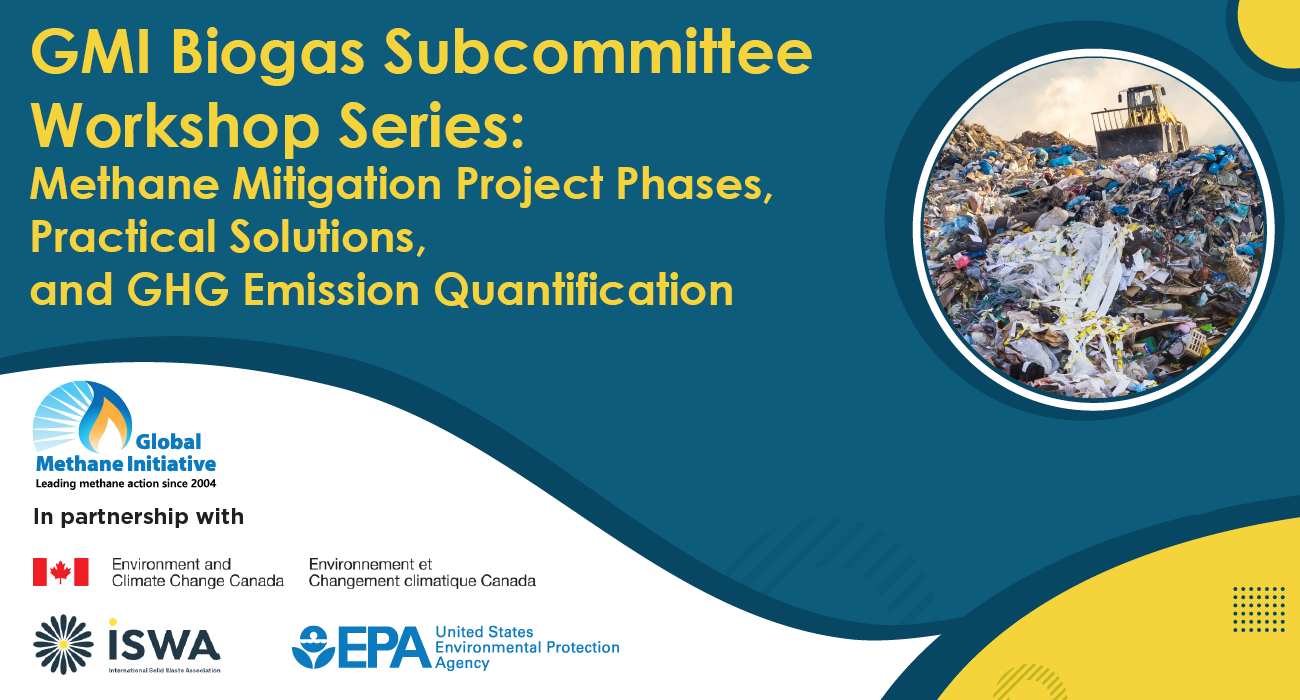
In 2024, the Global Methane Initiative (GMI) Biogas Subcommittee hosted a four-part workshop series: Mobilizing Methane Action at Open Dumpsites and Landfills. This workshop series was developed in partnership with Environment and Climate Change Canada, the International Solid Waste Association, and the United States Environmental Protection Agency, and focused on exploring policies, technologies, and tools and resources, aimed at reducing methane emissions from municipal solid waste. The intended audience of the series included national and subnational decision-makers and policymakers, waste professionals, waste facility operators, project developers, international development professionals, financial institutions interested in funding waste methane mitigation projects, and students and academics.
First workshop:
Global Opportunities and Strategies for Addressing Landfill Methane
23 January 2024
Speakers discussed mitigating methane emissions from open dumpsites and landfills and reviewed case studies that highlight effective initiatives to reduce methane emissions. Participants gained insights into the urgency for action and the global potential associated with the reduction of methane emissions from landfills, such as environmental and health co-benefits. The workshop also explored the practical dimensions of mitigating methane at dumpsites, emphasizing key phases essential for successful projects.
Speakers
- Moderator: Matt Hamilton, Manager, Waste Sector GHG Reduction, Environment and Climate Change Canada, GMI Biogas Subcommittee Co-Chair
- Aditi Ramola, Technical Director at the International Solid Waste Association
- James Law, Vice President at SCS Engineers
Second workshop:
Methane Mitigation Project Phases, Practical Solutions, and GHG Emission Quantification|
5 March 2024
Speakers discussed the practical dimensions of methane mitigation at large open dumpsites, focusing on the key phases of successful methane mitigation projects, and environmental justice considerations for dumpsite closure.
Speakers
- Moderator: Matt Hamilton, Manager, Waste Sector GHG Reduction, Environment and Climate Change Canada, GMI Biogas Subcommittee Co-Chair
- Mariel Vilella, Global Climate Program Director, Global Alliance for Incinerator Alternatives
- Dr. Ali R. Abedini, President, Methane Expert Engineering
Third workshop:
Understanding Your Waste Stream to Develop Methane Reduction Strategies
16 May 2024
Speakers focused on waste characterization as a means to mitigate methane emissions. In Part 1, participants gained insights into the GMI Waste Characterization Handbook: Understanding Municipal Waste Streams to Develop Data-Driven Methane Mitigation Strategies and the accompanying GMI Waste Characterization Tool, developed by the U.S. EPA. The Handbook provides additional recommended activities and resources to help cities best determine how to measure their waste, collect data, and make informed solid waste planning decisions that achieve methane reductions and other benefits. The tool allows users to analyze the composition of different waste streams. Part 2 explored waste characterization in practice in Canada, in support of their inventory of greenhouse gas emissions and modeling of methane generation, and Wisconsin, to evaluate effectiveness of laws (e.g., ban on electronics landfilling), and support future initiatives such as reducing disposal of food waste in landfills.
Speakers
- Moderator: Carlos Silva Filho, President of the International Solid Waste Association
- Klara Zimmerman, Program Manager at the U.S. EPA
- Sandra Mazo-Nix, Solid Waste Senior Associate at Abt Global
- Hussein Zaki, Project Engineer at Environment and Climate Change Canada
- Casey Krausensky, Solid Waste Coordinator at the Wisconsin Department of Natural Resources
Fourth workshop:
Source Segregation of Waste: Key to Methane Reduction from the Waste Sector
26 June 2024
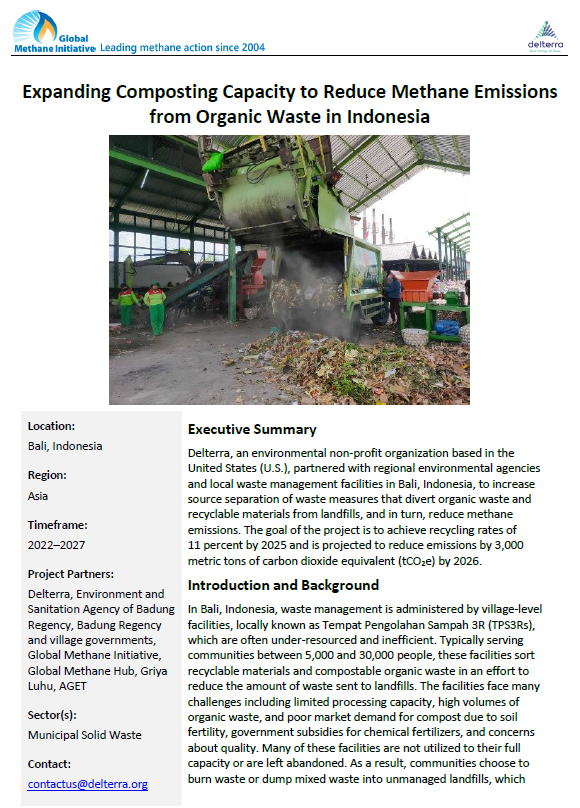
The fourth webinar focused on source segregation of waste, which plays a crucial role in mitigating methane emissions. Effective source segregation, such as separating organic from the inorganic materials in the waste stream, enables the diversion and valorization of organic waste. This practice reduces the amount of methane-generating organic material sent to disposal sites like landfills or dumps. This webinar presented several examples of source segregation of waste as part of sustainable waste management practices, with perspectives from a variety of governments and non-governmental organizations.
Speakers
- Introduction/Moderator: Patrick CoatarPeter, Environmental Policy Analyst, U.S. EPA
- Luis Vallejo, Coordinator, Waste Management and Circular Economy Project (Greci), Ministry of Environment, Water and Ecological Transition (Ecuador)
- Aditi Ramola, Technical Director, ISWA
- Jeremy Douglas, Director of Global Partnerships, Delterra
- Mariano Kristoff, Project Lead, Behaviour Change, Delterra