thumb-tile-ldar-training.jpg

Developing and Implementing a Leak Detection and Repair (LDAR) Program to Mitigate Methane Emissions from the Oil and Gas Sector

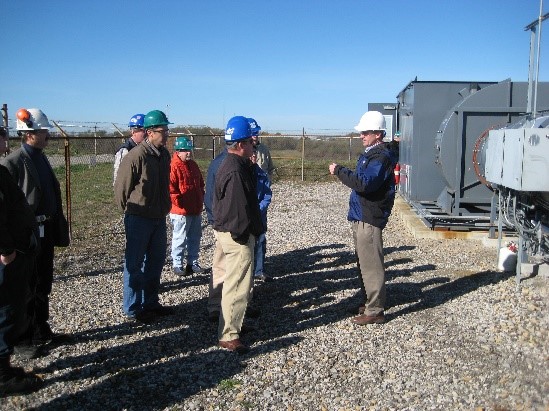
This training, prepared by the U.S. Environmental Protection Agency (EPA) in support of GMI, explains the concept, objectives, systematic approach, challenges and benefits of a non-regulatory leak detection and repair (LDAR) program for managing methane emissions from equipment leaks at oil and natural gas facilities. In addition, it provides specific guidance on designing, implementing, and managing the LDAR program.

Course Modules

This course is divided into five self-directed modules. You can return to a module at any time to access the material.

Who can benefit from this training?

  • Company Management will understand the essential elements of an LDAR program and its merits.
  • LDAR Management Team will understand how to develop and manage an LDAR program and evaluate its effectiveness.
  • LDAR Surveyors will understand key LDAR program objectives and be familiar with procedures and best practices for conducting LDAR surveys, communicating the results, and verifying leak repairs.
  • Facility Operations and Maintenance Team will understand the systematic approach of an LDAR survey at a facility and the team’s related responsibilities.
  • Environmental Personnel will understand the type of emissions and emissions reduction data available from an LDAR program, as well as how to develop an emissions baseline.
  • Policymakers will develop a better understanding of the goals, systematic processes, challenges, and benefits of an LDAR program.


Disclaimer:

This course is not intended to address applicable national, state, Tribal, or local LDAR regulations. Prior to developing a non-regulatory LDAR program, please ensure you understand any relevant LDAR regulations that may apply in your jurisdiction.

Topic
Language
Publish Date
09 Jan 2025
thumb-CMM 101.jpg

Basics of Coal Mine Methane Training

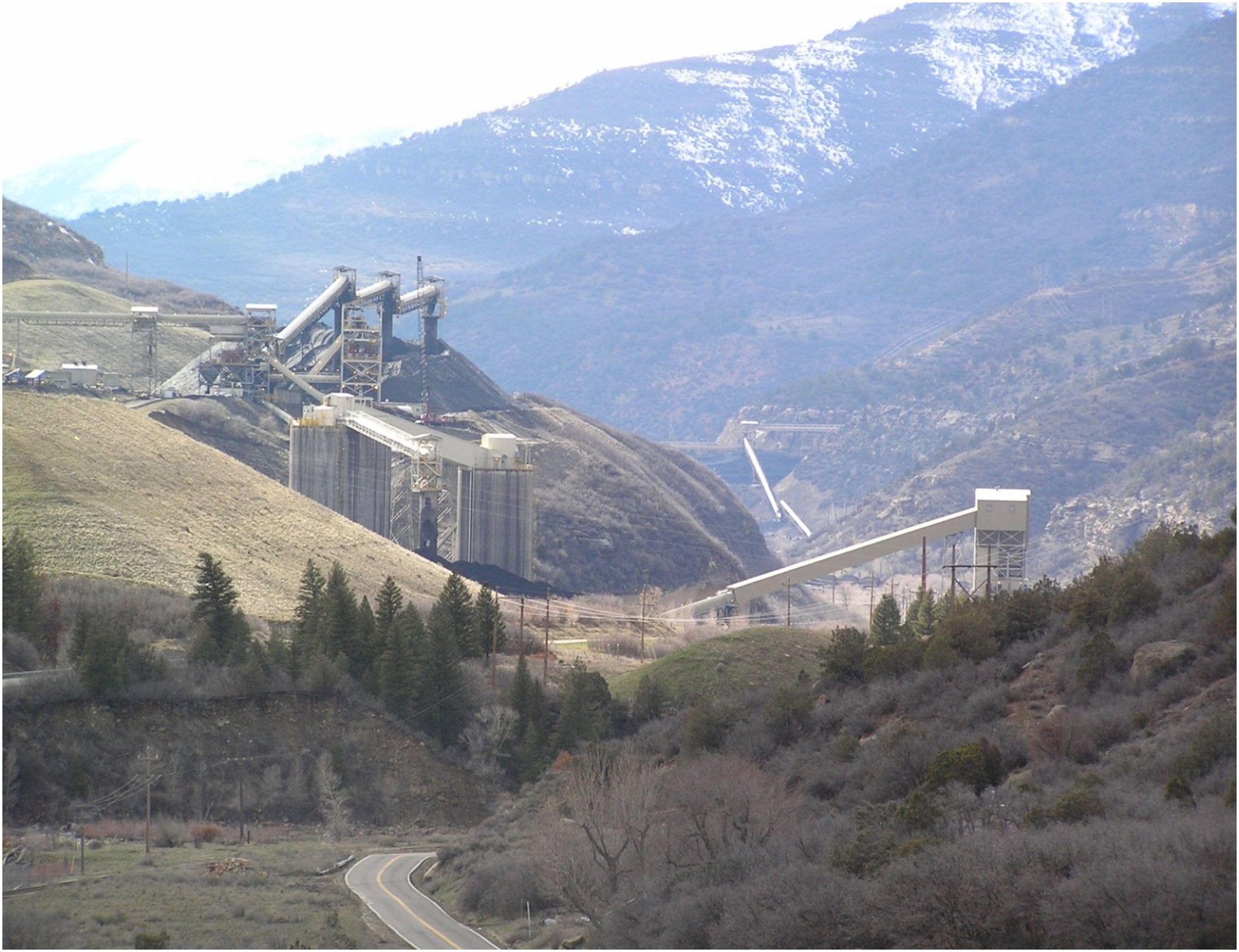
This training provides basic information about methane that is emitted through coal mining and summarizes potential mitigation options. The training was developed by U.S. EPA and reviewed by the Coal Mines Subcommittee in support of voluntary activities to reduce methane emissions under the Coalbed Methane Outreach Program (CMOP) and the Global Methane Initiative (GMI). 

The following topics are covered in the course:

  • Why is there methane in coal?
  • What are the primary methods of extracting coal?
  • What are the characteristics of methane emissions from coal mines?
  • How is methane captured using mine ventilation and gas drainage?
  • What are the beneficial uses of captured methane?

View the Basics of Coal Mine Methane Training Course.

A text version of the training is provided below.

Download
Topic
Language
Publish Date
05 Sep 2024
thumb-amm.png

Conducting Pre-Feasibility Studies for Abandoned Mine Methane Projects Training

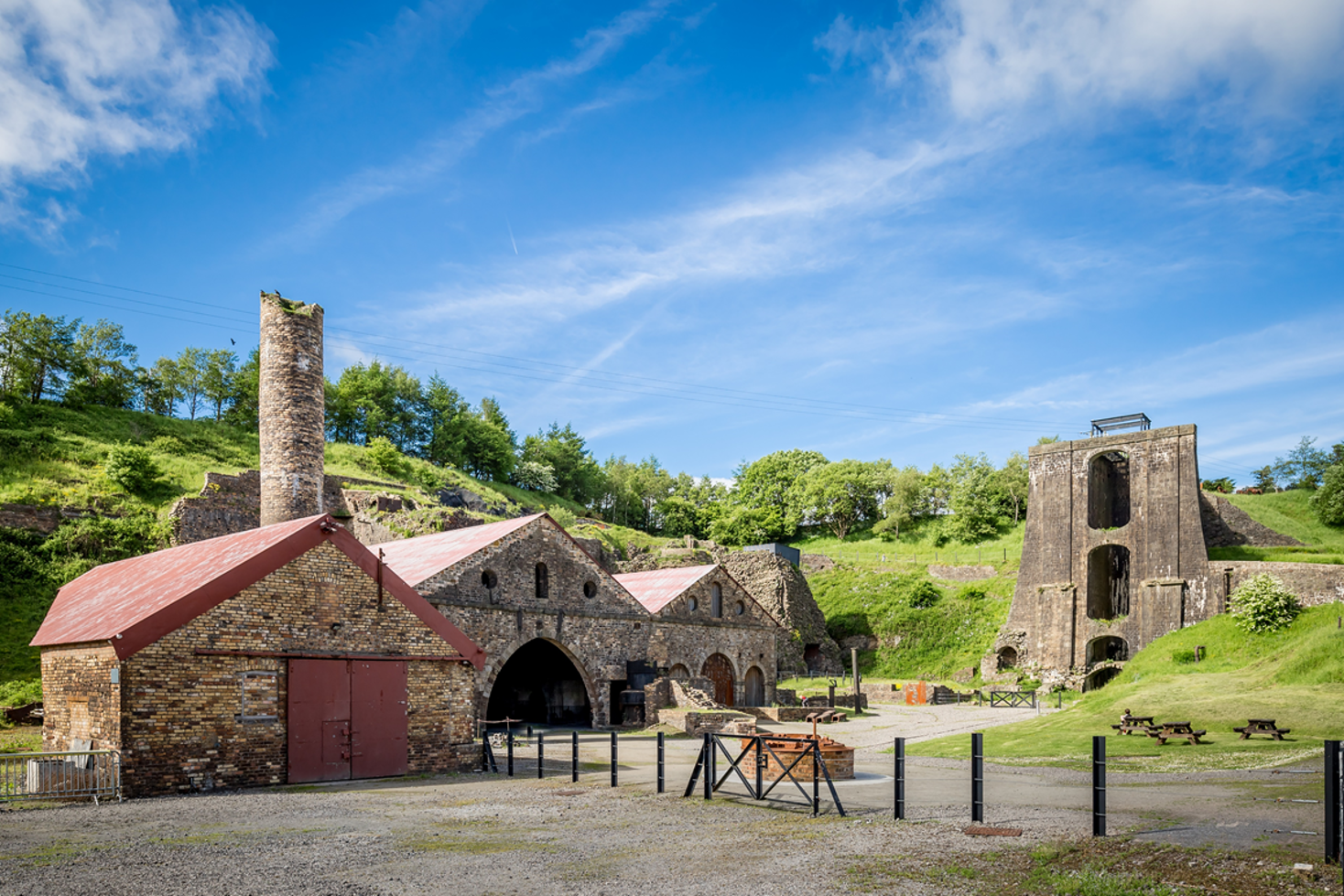
The U.S. EPA is developing this training course in support of the GMI and in conjunction with the United Nations Economic Commission for Europe (UNECE). This course introduces principles for assessing the potential of developing projects to mitigate Abandoned Mine Methane (AMM). Determining if an AMM project is feasible requires an assessment of the project’s potential through a pre-feasibility study. Such studies are typically carried out by a project developer, or another third party, in partnership with a government organization.

AMM project developers, third parties, mining company personnel, and government officials can all benefit from this training. The course is divided into seven separate modules, six of which are now available.

A text version of each online module is available below.

Download
Topic
Language
Publish Date
01 Jul 2022
coalmineimage.jpg

Conducting Pre-Feasibility Studies for Coal Mine Methane Projects Training

The U.S. EPA is developing this training course in support of the GMI and in conjunction with the United Nations Economic Commission for Europe (UNECE). This course introduces principles for assessing the potential of developing projects to capture and/or use Coal Mine Methane (CMM). The introduced general approach should be underpinned by mine-specific data and analyses, allowing the principles to be tailored to the unique conditions at each mine. Ideally, such an assessment will lead to project development and implementation.

CMM project developers, third parties, mining company personnel and government officials can all benefit from this training. The course is divided into eight separate modules:

The training slides and a text version are provided below for each module.

Download
Topic
Language
Publish Date
18 Nov 2021
thumb-OrganEcs Version 3.1.png

OrganEcs Version 3.1

Organic waste management (i.e. composting and anaerobic digestion) represent a key opportunity for achieving the reduction of short-lived climate pollutants from the municipal solid waste sector. Planning and developing such projects requires a detailed understanding of the costs involved in constructing and operating organic waste management facilities.

OrganEcs is a tool for estimating the costs associated with an organic waste management project. It provides planning-level assistance to local governments, waste professionals, policymakers, facility operators, and project developers to help them make financial decisions about their potential organic waste management projects.

OrganEcs was developed by the U.S. Environmental Protection Agency under the auspices of the Global Methane Initiative and in support of the Climate and Clean Air Coalition. 

Download
Topic
Language
Publish Date
01 Jan 2021
thumb-LFG-ScreeningTool.png

Landfill Gas Screening Tool (LFG-ST)

The Landfill Gas Screening Tool’s goal is to assist cities in assessing the potential feasibility of a landfill gas energy (LFGE) project. It provides a preliminary estimate of how much landfill gas (LFG) a site could collect, and whether that fuel supply is likely sufficient to support a modest-sized LFGE project. LFGE project types include combusting LFG directly to produce heat (e.g., for industrial applications), using LFG to generate electricity, and - in some cases - converting LFG into a compressed natural gas (CNG) to fuel vehicles.

The Landfill Gas Screening Tool was developed by the U.S. Environmental Protection Agency in support of the Global Methane Initiative and the Climate and Clean Air Coalition.

Download
Topic
Language
Publish Date
01 Jan 2021
thumb-AD-Screening-Tool.png

Anaerobic Digestion Screening Tool

The U.S. Environmental Protection Agency, on behalf of the Global Methane Initiative (GMI), developed the Anaerobic Digestion (AD) Screening Tool to assist stakeholders in assessing the potential feasibility of an AD project.

The AD Screening Tool enables users to conduct pre-feasibility analyses to evaluate AD opportunities for a variety of feedstocks, including organic municipal solid waste, livestock manure, agricultural residues, and wastewater. The tool generates the following outputs:

  • Annual biogas and digestate production
  • Project methane emission reductions
  • Potential end uses of biogas, including estimates for electricity production, natural gas production, cooking gas potential, and home heating potential

This tool is intended to help project developers, government agencies, financial institutions, and other stakeholders conduct an initial screening assessment of the technical and financial feasibility of proposed AD projects.


Tutorials

Estimating Biogas Production

Download
Topic
Language
Publish Date
01 Jan 2025
thumb-sweet.png

Solid Waste Emissions Estimation Tool (SWEET)

The Solid Waste Emissions Estimation Tool (SWEET) is an Excel-based tool that quantifies emissions of methane, black carbon, and other pollutants from sources in the municipal solid waste sector. The tool provides emissions and emissions reduction estimates at the project-, source-, and municipality-level. Cities can use this information for multiple purposes, including establishing a baseline scenario, comparing a baseline scenario to as many as four alternative scenarios, analyzing specific projects for potential emissions reductions, estimating the contribution of activities in the waste sector to overall city emissions reduction goals, and tracking progress over time, among other things.

SWEET was developed by the U.S. Environmental Protection Agency under the auspices of the Global Methane Initiative and in support of the Climate and Clean Air Coalition.


Testimonials

"SWEET can be considered a policy planning tool that requires less data input than the usual life cycle assessment-based tools."
World Health Organization

"If a city has overall emissions reductions goals, SWEET helps them better understand how investments in waste management in particular will contribute to those goals, which helps cities prioritize interventions and make financing decisions."
Climate and Clear Air Coalition Secretariat

"SWEET is, overall, an easy to use tool to estimate LFG emission of a waste management system. [...] In particular, it would be beneficial for municipalities in low and middle-income countries that want to communicate positive climate effects and have compelling arguments ready for relevant stakeholders before making the first steps of improving their waste management practices."
International Solid Waste Association


Trainings

General Information


Landfills and Dumpsites


Advanced Tips and Tricks


Training Modules

Case Studies

Download
SWEET_UserManual.pdf (1002.92 KB)
Topic
Language
Publish Date
01 Jan 2025
thumb-MRV Webinar Series The Role and Importance of MRV for Biogas Projects.png

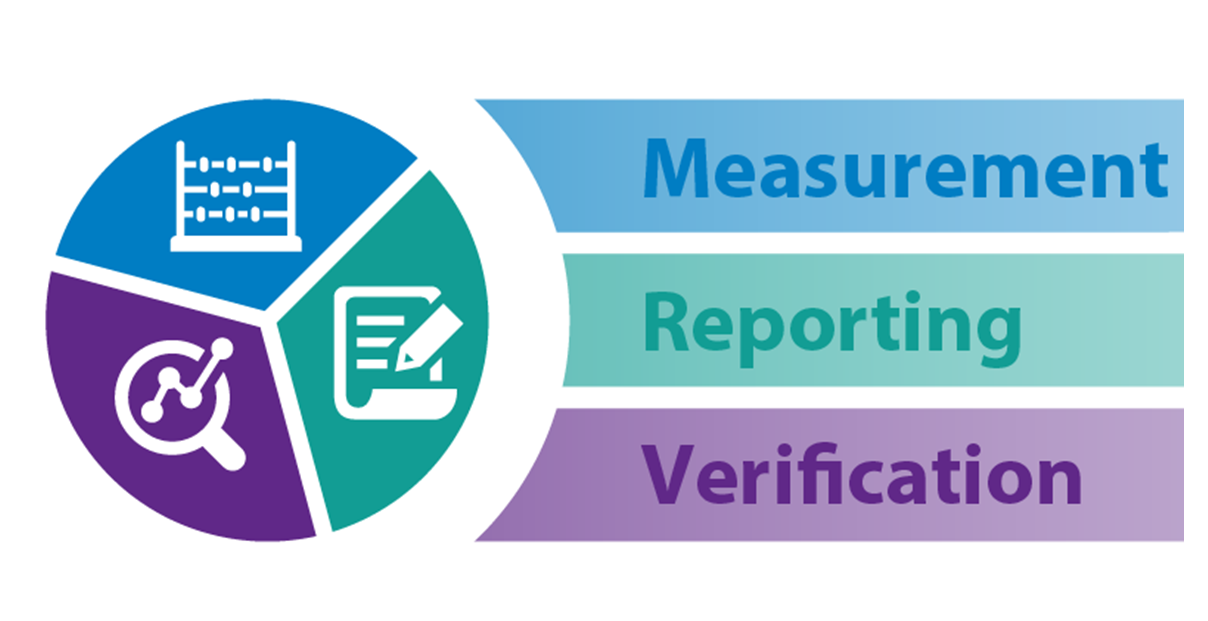
MRV Webinar Series: The Role and Importance of MRV for Biogas Projects

Biogas projects—including those that capture and use methane emissions from the agriculture, municipal solid waste, and municipal wastewater sectors—are critical for mitigating climate change, enhancing energy security, and improving public health.

Many governments may find it difficult to account for biogas project emissions and emissions reductions. One key challenge is the limited access to clear guiding principles for measurement, reporting, and verification (MRV) of emissions and emissions reductions from the biogas sector. An effective MRV system is critical for nations to develop robust emissions inventories and set ambitious mitigation targets under the Paris agreement.

This first webinar introduced the basics of MRV, discussed the big picture importance of MRV in the context of the Paris Climate Agreement, and highlighted GMI’s MRV resources, including the MRV Handbook and Resource Center.

Panelists:

  • Nick Elger – GMI Biogas Subcommittee Co-Chair, Environmental Protection Agency
  • Neelam Singh – Senior Associate, World Resources Institute (WRI)
  • Lisa Hanle – Independent Consultant, formerly the Enhanced Transparency Framework Coordinator at United Nations Framework Convention on Climate Change (UNFCCC)
Topic
Language
Publish Date
08 Sep 2022
thumb-Waste Characterization Handbook Understanding Municipal Waste Streams to Develop Data-Driven Methane Mitigation Strategies.png

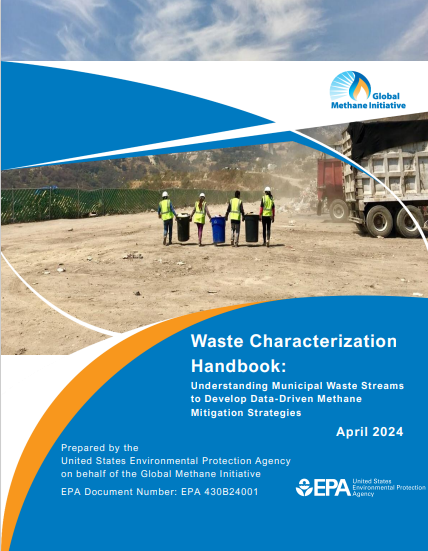
Waste Characterization Handbook: Understanding Municipal Waste Streams to Develop Data-Driven Methane Mitigation Strategies

The U.S. Environmental Protection Agency on behalf of the Global Methane Initiative developed the Waste Characterization Handbook and accompanying Excel tool to help decision-makers and solid waste professionals plan and conduct waste characterization studies to understand the composition of waste streams. Waste characterization data can be used to inform improved waste management planning and implementation and measure methane mitigation from these strategies.

  • The Waste Characterization Handbook provides information for city decision-makers and solid waste professionals to plan and conduct a waste characterization study. The handbook includes recommended activities and resources to help plan an appropriate type of study for specific site conditions; conduct field activities to collect the data; and analyze the data to help make informed solid waste planning decisions.
  • The Waste Characterization Planning and Data Tool is an Excel-based tool that streamlines data entry and provides instant graphics to visualize the data entered during the study.

Resulting waste characterization data can be used in existing GMI tools to better understand organic waste management and methane mitigation options:

  • Data on the average composition of collected waste (e.g., food waste, paper, cardboard, textiles, plastic) can be entered into the Solid Waste Emissions Estimation Tool (SWEET) to understand the emissions impacts of various management strategy and technology (e.g., composting, anaerobic digestion (AD), waste combustion, recycling).
  • Data on specific organic waste types and quantities (e.g., mixed food waste, coffee grounds, bananas) can be entered into the Anaerobic Digestion (AD) Screening Tool to assess AD project feasibility. The AD Screening Tool outputs include annual biogas and digestate production, methane emissions reductions, and potential end uses of biogas.
  • Data on the annual disposal rate (metric tons/year) of a city or community can be input into the Landfill Gas (LFG) Screening Tool. The tool provides an estimate of how much LFG can be collected at a dumpsite or landfill and provides initial recommendations on whether that fuel supply is likely sufficient to support a modest-sized LFG Energy (LFGE) project. LFGE project types include combusting LFG directly to produce heat (e.g., for industrial applications), using LFG to generate electricity, and - in some cases - converting LFG into compressed natural gas (CNG) to fuel vehicles.
Download
Topic
Language
Publish Date
01 Jan 2024
Subscribe to English